How To Honda Pilot Maintenance Schedule? Better 7 Guide
What’s the Honda Pilot maintenance schedule? It’s a plan that makes sure your car works well and lasts a long time.
This guide will show you why keeping up with your car’s care is important. You’ll learn about the must-do services like oil changes, topping off fluids, and regular checks.
These steps are key to making sure your car runs smoothly. Sticking to a maintenance plan not only makes driving better but also keeps your Honda Pilot running longer.
Keeping up with car care helps avoid expensive fixes later. Next, we’ll dive into what maintenance is needed, how the Maintenance Minder helps, and what driving conditions mean for your car.
By the end of this guide, you’ll know how to keep your car safe and dependable for the long haul.
Introduction To Honda Pilot Maintenance
Keeping your Honda Pilot in good shape is key for its performance and lasting reliability.
By sticking to the honda pilot service schedule, you help ensure your vehicle runs smoothly. This makes driving safer and more enjoyable.
Regular check-ups can spot small problems before they turn big, saving you time and money.
For owners who want a reliable ride, maintenance is super important. Every check-up is a chance to look at important parts, like tires, brakes, and fluids.
Staying on track with the honda pilot service schedule keeps your car going strong for longer, ready for the road anytime.
What is The Importance of Regular Maintenance
As a Honda Pilot owner, it’s crucial to know how important regular maintenance is. This keeps your vehicle performing at its best and safest.
With regular checks, your Honda Pilot will run smoothly, giving you a better driving experience and protecting your investment.
Benefits of Routine Maintenance
Sticking to a regular maintenance schedule has lots of benefits, like:
- Improved fuel efficiency, leading to savings at the pump
- Enhanced safety features, reducing the chances of accidents caused by mechanical failures
- Prevention of unexpected breakdowns, allowing for peace of mind during commutes
- Lower long-term repair costs due to early detection of potential issues
Impact on Vehicle Longevity
Regular maintenance for your Honda Pilot greatly increases its lifespan. A well-kept vehicle will:
- Have a longer lifespan, reducing the need for frequent replacements
- Retain higher resale value, offering better returns when you decide to sell or trade it in
- Provide consistently reliable performance over the years
Honda Pilot Maintenance Schedule Overview
The Honda Pilot has a specific maintenance plan to keep it running well. This honda pilot maintenance guide highlights the importance of staying on schedule.
It splits service needs into normal and severe driving conditions. For normal driving, you should complete certain services at set mileage points. For example, you should change the engine oil every 7,500 miles.
But, if you often take short trips, carry heavy loads, or drive in extreme temperatures, the severe conditions plan is for you. This means you’ll need maintenance more often.
| Mileage | Normal Conditions | Severe Conditions |
|---|---|---|
| 7,500 miles | Oil Change | Oil Change |
| 15,000 miles | Filter Replacement | Filter Replacement |
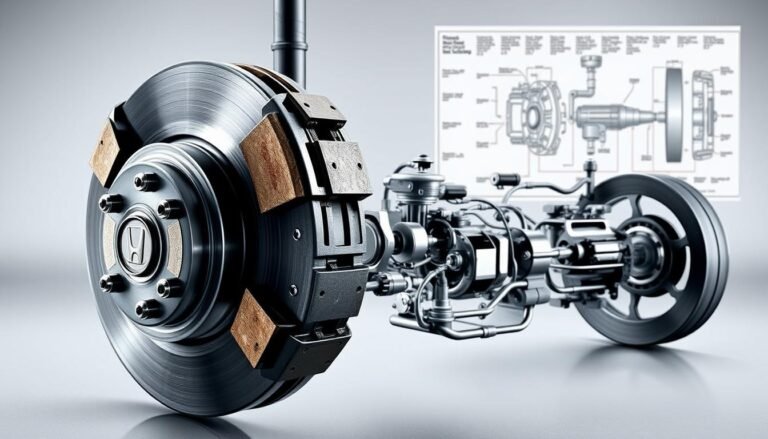
| 30,000 miles | Brake Inspection | Brake Inspection & Fluid Check |
| 60,000 miles | Transmission Fluid Change | Transmission Fluid Change |
This guide gives a clear picture of your car’s maintenance path. Following these steps will help keep your car running longer and better.
Key Components of The Maintenance Schedule
Knowing the key parts of the Honda Pilot maintenance schedule is key to keeping your car running well.
It talks about when to get services like oil changes, new transmission fluid, and brake fluid checks.
Following this honda pilot maintenance checklist will keep your car working great and safe to drive.
Engine Oil Change Intervals
Changing your engine oil on time is key for your engine to work its best. Normally, change the oil every 7,500 miles.
If you drive a lot in tough conditions, like very hot or cold weather, busy traffic, or off-roads, you might need to change it more often to keep your engine going strong.
Transmission Fluid Replacement
Changing your transmission fluid is also very important. It’s best to change it every 30,000 miles. This fluid is essential for your car’s transmission to run smoothly.
Changing this fluid when needed, based on how you drive, will help your transmission work its best.
Brake Fluid Service Requirements
Getting your brake fluid changed is important for your brakes to work right. You should change it every three years, no matter how many miles you’ve driven.
Doing this helps stop moisture build-up, which can cause brake failure and make driving unsafe.
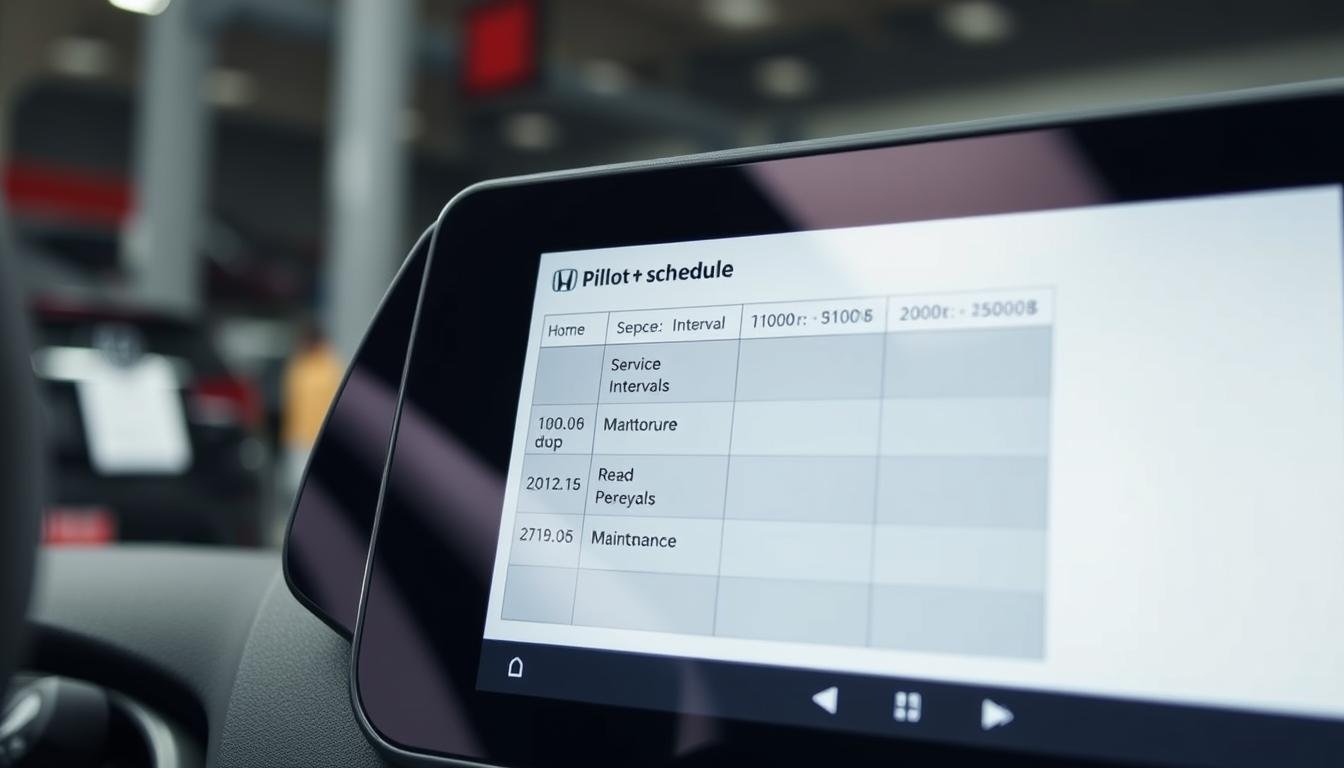
| Maintenance Task | Recommended Interval |
|---|---|
| Engine Oil Change | Every 7,500 miles (more frequently in severe conditions) |
| Transmission Fluid Replacement | Approximately every 30,000 miles |
| Brake Fluid Service | Every 3 years |

Honda Pilot Maintenance Schedule: Normal vs. Severe Driving Conditions
Knowing the difference between normal and severe driving conditions is key for keeping your Honda Pilot in top shape.
The maintenance schedule for severe conditions focuses on cars used in tough situations.
Severe driving conditions include a bunch of issues that might make you take your car in for service more often. These are:
- Frequent short trips where the engine can’t get fully warm.
- Driving in very hot or cold weather, which can be hard on the engine.
- Lots of stop-and-go driving in the city or in heavy traffic.
- Regular towing, especially with heavy loads.
- Driving on bad roads or off-road, which causes extra wear and tear.
These tough conditions can make car parts wear out quicker than usual. To keep your car running well, check the maintenance schedule for severe conditions.
It helps make sure your Honda Pilot stays reliable for a long time.
Using The Maintenance Minder Feature
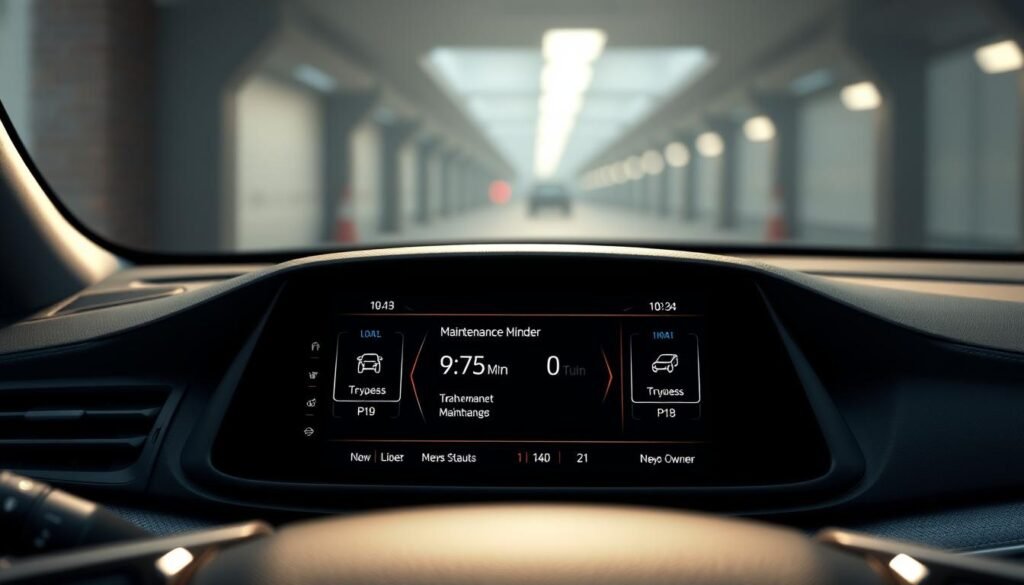
The Honda Pilot maintenance minder system helps you track your vehicle’s maintenance needs.
Knowing how it works can make owning your car more enjoyable and save you from costly repairs.
How The Maintenance Minder Works
This system figures out when your car needs maintenance. It looks at how long the engine runs, how you drive, and the environment.
It uses sensors to watch your car’s important parts and tells you exactly when service is needed, based on how you drive. Following its advice keeps your Honda Pilot running smoothly.
Interpreting Maintenance Minder Alerts
The alerts from the maintenance minder are easy to understand. It shows letters and numbers that tell you what service your car needs.
For instance, “A” means it’s time for an oil change. “B” indicates a detailed check is needed, including brakes and fluids. Knowing these codes helps you get your car serviced on time.
Recommended Service Intervals For Honda Pilot
It’s crucial to know when your Honda Pilot needs service to keep it running great. This guide shows important checks and replacements. They help your car perform well over time.
Initial Service Timeline
Your Honda Pilot’s first check-up should be at 10,000 miles. This first step is key for a good maintenance plan. During this time, these tasks are done:
- Oil and filter change
- Tire rotation
- Fluid level checks
- Brake system inspection
Ongoing Service Intervals
After the first service, keep up with regular checks. Do these tasks often:
| Service Type | Mileage Interval | Frequency |
|---|---|---|
| Oil Change | 5,000-7,500 miles | Every 5,000 miles |
| Air Filter Replacement | 15,000-30,000 miles | Every 15,000 miles |
| Transmission Fluid Change | 30,000-60,000 miles | Every 30,000 miles |
| Brake Fluid Service | 30,000 miles | Every 30,000 miles |
Sticking to your Honda Pilot’s service schedule boosts its dependability. Keeping up with maintenance helps avoid costly fixes later. It’s key to your car’s long life and smooth rides.
Routine Maintenance For Honda Pilot: Checklist
Keeping your Honda Pilot in top shape means regular check-ups. A monthly honda pilot maintenance checklist is crucial for spotting problems early.
It looks at things like fluid levels and tire pressure. These checks help keep your car running well. Below, we detail what to do each month to keep your vehicle in great condition.
Monthly Checks and Routine Tasks
- Check engine oil and fluid levels (coolant, brake, and transmission fluids).
- Inspect tire pressure; adjust as necessary for optimal performance.
- Examine the condition of tires for wear and tear, including tread depth.
- Test all lights—headlights, taillights, and turn signals—to ensure functionality.
- Inspect wiper blades for cracks and ensure adequate windshield washer fluid is available.
Regular Inspections and Addressing Issues
Do more than the simple monthly checks. Carry out regular detailed inspections:
- Evaluating the battery condition, cleaning terminals if necessary.
- Inspecting the air filter and replacing it if it appears dirty or clogged.
- Checking belts and hoses for any signs of wear, allowing for timely replacements.
- Reviewing brake pads for thickness and performance levels, addressing any unusual sounds.
- Monitoring the overall performance of the vehicle through daily driving experiences.
Following this honda pilot maintenance checklist each month is a smart move. It’s a way to make sure your car stays reliable and efficient.
Taking these steps lets you deal with problems before they get big, saving you from expensive repairs later.
Scheduled Maintenance For Honda Pilot in Detail
Keeping up with scheduled maintenance for your Honda Pilot is key to keeping it running smoothly.
At 30,000, 60,000, and 100,000 miles, there are specific checks and services to be done. Following these steps will help your car stay in excellent shape.
30,000-Mile Service Recommendations
- Replace engine oil and filter
- Inspect brake pads and rotors for wear
- Check air filter and replace if necessary
- Examine tires for tread depth and correct pressure
- Inspect and replenish all fluids, including transmission and brake fluid
60,000-Mile Service Recommendations
- Perform a complete timing belt inspection
- Replace transmission fluid and filter
- Inspect coolant and consider a replacement if needed
- Examine spark plugs and replace if worn
- Check power steering fluid and replace if necessary
100,000-Mile Service Recommendations
- Replace timing belt if not done previously
- Inspect suspension and steering components
- Replace brake fluid and inspect braking system
- Check fuel system for any needed service
- Review and update all electronic systems and sensors
Creating Your Honda Pilot Maintenance Plan
To build a custom honda pilot maintenance plan, first look at how you drive and where.
Think about how many miles you drive, your driving style, and your local weather. These details help craft a plan that meets your car’s specific needs.
Factors To Consider in Planning
When planning your car’s care, keep these points in mind:
- Annual Mileage: More miles mean you’ll need service more often.
- Driving Habits: Short drives often could mean needing to check things more.
- Climate Conditions: Very hot or cold weather can change what your car needs.
- Road Conditions: Bumpy roads might mean more wear on your car.
Customizing Your Maintenance Schedule
For your Honda Pilot to stay in top shape, personalize your maintenance plan. Here’s how:
- Look at your owner’s manual for service suggestions.
- Change the maintenance times based on your specific conditions.
- Add checks before winter and summer for fluids, tires, and brakes.
- Remember to schedule regular service to stay on track.

Common Mistakes To Avoid in Honda Pilot Maintenance
Many Honda Pilot owners make mistakes with maintenance that can cost a lot and lower their car’s performance.
Knowing what mistakes to avoid is key to making your vehicle last longer. Putting off fluid changes is a big mistake.
Engine oil, transmission fluid, and coolant need changing on schedule for your car to work right. If you ignore when it’s time to change them, you might face big problems later.
Not paying attention to the Maintenance Minder alerts is another error. These reminders help you keep up with maintenance.
If you ignore them, you might skip important services and wear out parts. Forgetting to check tire pressure and battery health can also cause trouble.
Keeping the right tire pressure improves gas mileage and safety. Checking your battery often stops sudden breakdowns, so you won’t get stuck.
- Delaying fluid changes
- Ignoring Maintenance Minder alerts
- Neglecting tire pressure checks
- Overlooking battery condition
By knowing these mistakes and taking action, you can make your Honda Pilot more reliable and perform better.
Finding Reliable Maintenance Resources
To keep your Honda Pilot in top shape, you need good maintenance resources. The owner’s manual is key for knowing how to care for your car. It gives important tips for keeping your vehicle running well.
Utilizing The Owner’s Manual
The owner’s manual is your main guide for maintaining your Honda Pilot. It shows what you need to do and when you need to do it. Make sure to focus on:
- Recommended service intervals
- Fluid types and capacities
- Maintenance checklists
- Important specifications and features
Combining Professional Help with DIY Maintenance
It’s great to start with the owner’s manual, but adding expert advice and DIY work is best.
Doing simple jobs yourself, like oil changes, can save money and help you learn about your car.
Still, for tricky problems, seeing a skilled mechanic is a good idea. Using the manual and doing some work yourself is a smart way to look after your car.
Conclusion
Keeping up with a set maintenance schedule is key for your Honda Pilot’s long life and strong performance.
Routine checks and on-time services play a big part in making your vehicle dependable.
By sticking to this guide’s advice, you can keep your Honda Pilot in great shape, ready for any trip.
This recap reminds you of the main tips shared in the article. You’ve learned about the Maintenance Minder and how to adjust your maintenance plan for your driving habits.
Taking care of your vehicle now saves money and ensures safer drives later.
FAQs
Q: How often should I change the engine oil in my Honda Pilot?
A: Change the engine oil every 7,500 miles for normal driving. If you often face severe conditions, change it more.
Q: What are severe driving conditions for my Honda Pilot?
A: Severe conditions mean lots of short trips, extreme hot or cold, heavy traffic, or pulling big loads. You’ll need more maintenance here.
Q: How does the Maintenance Minder system work?
A: The Maintenance Minder system watches your driving and engine time. It then alerts you when it’s time for service.
Q: What should I include in my Honda Pilot maintenance checklist?
A: Your list should have checks on fluid levels, tire pressure, brakes, and the battery. This keeps your car running well.
Q: When should I expect major maintenance milestones for my Honda Pilot?
A: Look for big upkeep moments at 30,000, 60,000, and 100,000 miles. Each point has special checks and changes needed.
Q: Is using my Honda Pilot’s owner’s manual important for maintenance?
A: Yes, your owner’s manual is key. It tells you all about your car’s maintenance and when services are needed.
Q: How can I create a personalized maintenance plan for my Honda Pilot?
A: To make a plan just for you, think about your yearly driving distance, how you drive, and your local weather. This plans for your car’s specific needs.
Q: What common mistakes should I avoid in Honda Pilot maintenance?
A: Avoid skipping oil changes, ignoring Maintenance Minder alerts, and not checking tires and batteries. These mistakes can cost a lot to fix.