Honda Accord Brake System Problem Better 7 Solutions
Knowing about Honda Accord brake system problems is key for safety and a smooth drive.
Keeping your brakes working right stops bad accidents and makes sure your car is reliable. This guide shows you how to spot and fix common brake issues.
We’ll show you how to see the warning signs, use tools for checking, and keep up with brake care.
You’ll learn how to solve your brake problems, by yourself or with a pro. With the right info, you can make your car drive better and feel safe on the road.
What is The Honda Accord Brake System?
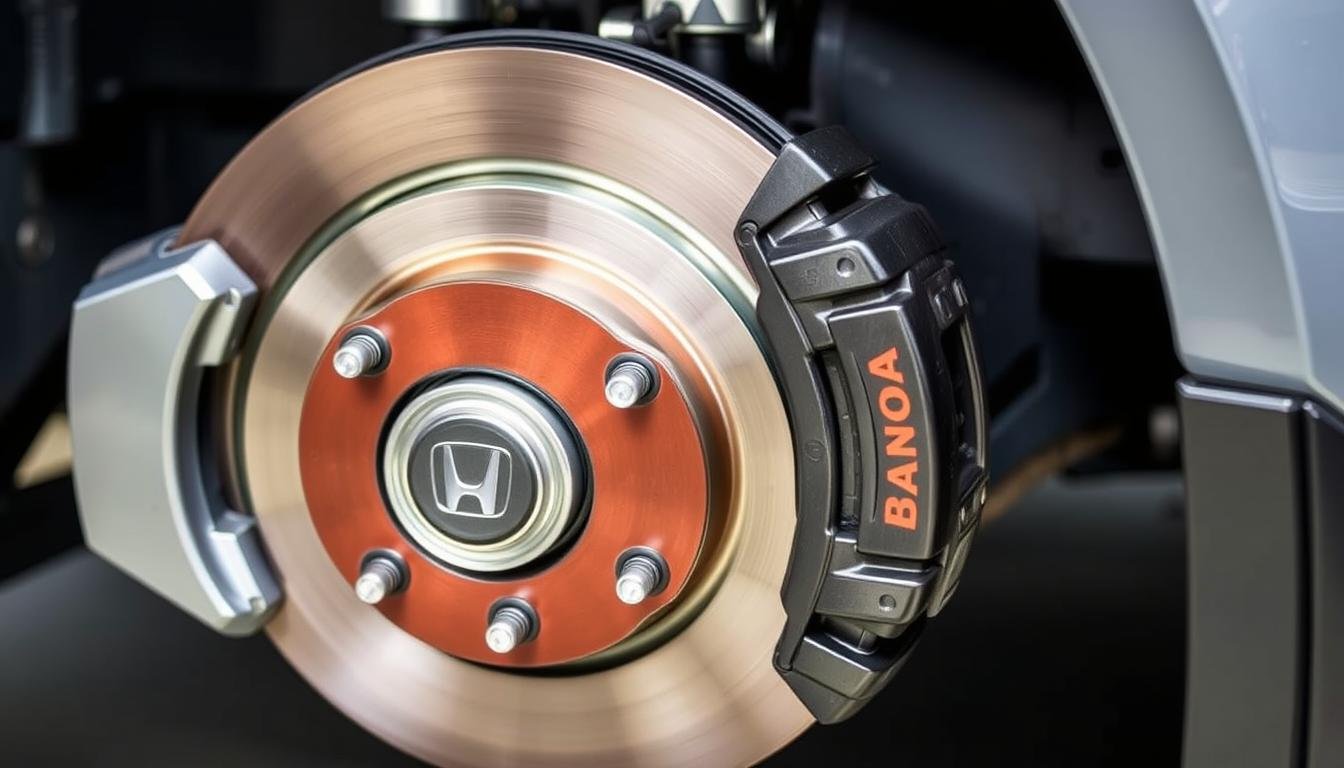
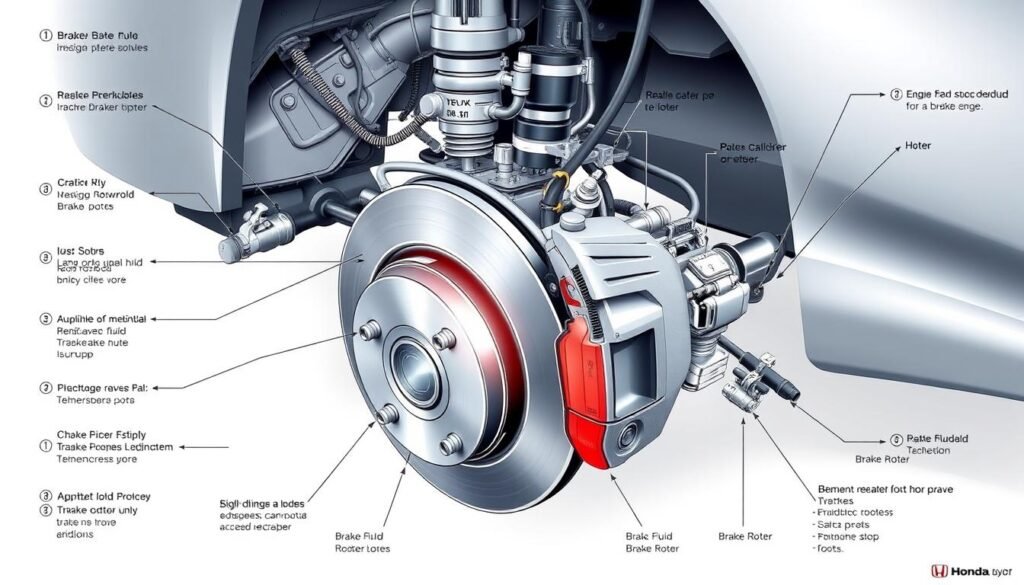
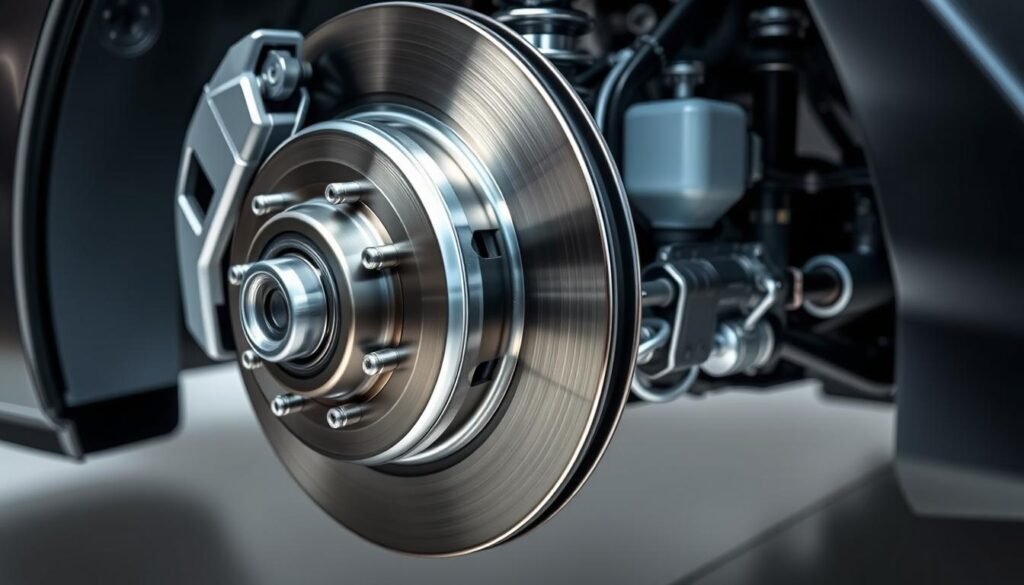
The brake system in your Honda Accord keeps you safe on the road. It includes brake pads, rotors, calipers, and high-tech systems.
Each part is crucial for a quick and safe stop. Knowing how these parts work helps you keep your brakes in great shape.
The brake fluid reservoir is key for maintaining pressure. Low fluid levels can reduce braking power.
Also, the anti-lock braking system (ABS) prevents the wheels from locking during sudden stops.
This helps you maintain control in emergencies. Keeping an eye on fluid levels and wear can catch issues early.
Knowing each component lets you spot problems faster. Regular checks save time and money. They keep your Honda Accord’s brakes working well.
Common Honda Accord Brake System Problems
Knowing about your Honda Accord’s brake problems is key to keeping it safe. Brake issues can show up in many ways.
Spotting these honda accord brake system warning signs early can stop bigger problems. You should watch for strange noises and any difference in how your brakes feel.
Identifying Warning Signs
Here are some signs your Honda Accord’s brakes may have issues:
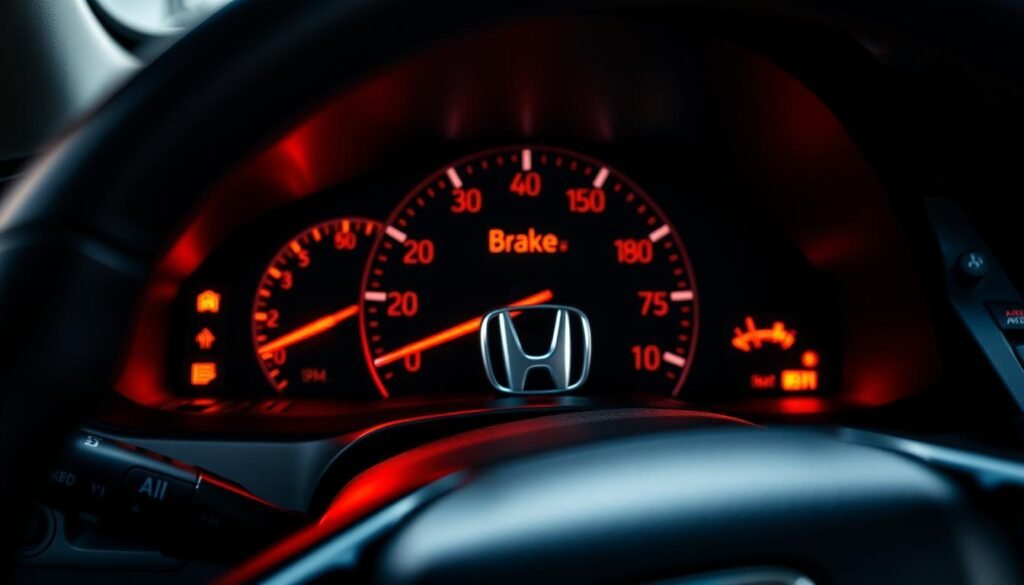
- Dashboard warning lights that something’s wrong with the brakes.
- Noises like grinding or squeaking when you brake.
- A brake pedal that feels mushy, possibly due to air in the lines.
- Vibrations in the brake pedal when you stop.
- Low brake fluid levels, which might mean there’s a leak.
Exploring Typical Faults
Common issues that might affect your Honda Accord’s brakes include:
| Fault Type | Description |
|---|---|
| Worn Brake Pads | Worn-out pads can make noise and reduce the car’s stopping ability. |
| Leaking Brake Fluid | Fluid leaks can lower levels and hurt brake performance. |
| Faulty Brake Rotors | Warped rotors can cause vibrations and weaker braking. |
| Malfunctioning Brake Booster | A bad booster can make the brake pedal hard and stopping tough. |
Honda Accord Brake System Problem Analysis
Compromise your Honda Accord’s brake system is key to keeping it safe and running smoothly.
A good analysis helps avoid more issues. Using diagnostic tools right can pinpoint what’s wrong with the brakes.
Diagnostic Tools For Accurate Assessment
OBD-II scanners are great for diagnosing Honda Accord brake problems. They read error codes, letting you fix issues quickly.
If warning lights pop up on your dash, these tools explain them, hinting at electronic problems.
Knowing which diagnostic tools to use is a big help. Look for these useful features:
- Compatibility with your Honda Accord model
- Ability to read and clear fault codes
- Live data streaming capabilities
- Ease of use for quick understanding
With the right tools, inspecting your Honda Accord’s brakes is straightforward. It’s critical to understand the findings to discuss with your mechanic efficiently.
Here’s a list of common tools and what makes them useful:
| Diagnostic Tool | Key Features | Price Range |
|---|---|---|
| OBD-II Scanner | Reads/Clears Fault Codes, Live Data | $50-$300 |
| Brake Fluid Tester | Checks Fluid Contamination | $15-$50 |
| Brake Pad Thickness Gauge | Measures Pad Wear | $10-$30 |
Spending time to check on your brake system’s health ensures you stay safe and enjoy driving your Honda Accord.
Honda Accord Brake System Problem Troubleshooting
Fixing a Honda Accord’s brakes needs a step-by-step method. Start by checking all important parts to find any problems.
This will help you troubleshoot your Honda Accord’s brakes effectively and keep your car safe.
- Check brake fluid: Ensure it is at the recommended level and looks clean.
- Inspect each brake pad and rotor: Look for signs of excessive wear or damage.
- Test the brake pedal feel: It should be firm and responsive. Sponginess indicates air in the lines.
- Utilize diagnostic tools for code retrieval: Use any gathered error codes to guide your next steps.
The state of each component will tell you if you need to fix or replace parts of the brake system. Taking care of these things will make your car’s brakes work better.
Battery Issues Related To Brake System Failures
Battery problems can greatly impact your Honda Accord’s brake system. Electrical issues can lead to signs that something is wrong with your car.
Knowing these signs helps you fix honda accord brake system issues before they get worse.
Recognizing Battery-Related Symptoms
To understand your Honda Accord’s brake system issues, it’s crucial to spot battery-related symptoms. Look for these warning signs:
- Flickering dashboard lights.
- Multi-system warning lights, including those for the brake and power systems.
- Difficulty starting the vehicle.
- Erratic instrument panel behavior.
If you see these signs, it’s important to check the battery. It might be causing your brake and electrical problems.
How To Test Your Battery Effectively
Testing your Honda Accord’s battery is easy and can reveal if it’s causing brake issues. Follow these steps to test your battery:
- Make sure the car is off and parked safely.
- Check the voltage with a multimeter—12.6 volts or more means the battery is good.
- If the voltage is low, do a load test to see if the battery keeps enough voltage.
- A failing battery during the load test suggests it’s time for a new one.
Dealing with battery issues early helps prevent honda accord brake system failures. If your battery is okay but problems still happen, you might need more testing.

Brake System Inspection and Maintenance Tips
It’s crucial to keep the brake system of your Honda Accord in top shape for safety. Getting regular checks ensures your brakes work well when it counts the most.
Paying attention to a few inspection tips can lessen the chances of brake problems, making your drive safer.
Regular Maintenance Practices
To catch issues with your Honda Accord’s brakes early, stick to a maintenance schedule. Important steps include:
- Every two years, check the brake fluid for the best hydraulic function.
- Annually examine brake pads and rotors for damage to maintain strong brakes.
- Look over brake lines for any leaks or harm that could hurt the braking system.
- Keep a detailed service log to track when parts might need to be changed.
Preventive Measures For Longevity
Preventive actions can make your Honda Accord’s brakes last longer. Keep these suggestions in mind:
- Regularly rotate and balance tires to lessen wear and ease the load on brakes.
- Try to brake lightly and gradually to avoid stressing the brake system.
- Choose high-quality parts for replacements to improve lifespan and function.
- Pay attention to odd sounds or feelings when braking to spot problems early.
Honda Accord Brake System Repair Guidelines
Knowing when to get professional help is key for honda accord brake system repair.
Some problems, especially those that raise safety worries, should not be fixed by yourself.
If your dashboard shows many warning lights, you keep having brake issues, or troubleshooting doesn’t help, get a pro.
Brakes pulling to one side, weird noises, or less stopping power mean you need an expert right away.
When To Seek Professional Help
- Multiple warning lights on the dashboard
- Braking issues that persist after troubleshooting
- Vehicle pulls to one side during braking
- Unusual noises during brake operations
- Reduced stopping power or responsiveness
DIY Repair Steps For Common Issues
Fixing small problems yourself can save money and time. Here are steps for easy repairs:
- Check the brake fluid level. Ensure it is sufficient and topped off if necessary.
- Inspect brake pads for wear. Replace if they appear thin or worn.
- Examine brake lines for any leaks or damage. Look for signs of fluid loss.
- Check the brake rotors for warping or scoring. Resurface or replace if needed.
- Test the brake pedal feel. If it feels spongy, air might be in the brake lines. Bleed the brakes to remove air.
| Common Issue | DIY Repair Steps | When to Seek Professional Help |
|---|---|---|
| Low Brake Fluid | Top off brake fluid level | Persistent fluid leaks detected |
| Worn Brake Pads | Replace worn pads | Severe rotor damage or noise |
| Brake Lines Damage | Inspect and replace damaged lines | Leaks that are hard to pinpoint |
| Warped Rotors | Resurface or replace rotors | If resurfacing fails to fix vibration |
| Spongy Brake Pedal | Bleed brakes to remove air | If issues persist after bleeding |
Learning Electronic Faults in Brake Systems
Brake systems have evolved to include more electronics and computers. Problems with the Honda Accord’s brakes often come from these complex systems.
You might find issues like bad sensors, ABS module problems, or software errors, especially in hybrids.
It’s important to know how these electronic parts work together. A single failure might seem like a mechanical problem, making it hard to figure out during an inspection.
Regular checks and knowing your vehicle’s electronic braking parts help. This approach highlights the importance of spotting non-mechanical faults early, which allows for quicker problem-solving.
| Component | Potential Faults | Symptoms |
|---|---|---|
| Sensors | Malfunctioning or disconnected | Warning lights, inconsistent braking |
| ABS Module | Software/software glitches | Unresponsive ABS activation, brake pedal pulsation |
| Wiring | Frayed or damaged wires | Loss of brake function, warning alerts |
| Brake Control Unit | Failure in communication | Inconsistent braking behavior during operation |
Learning about your car’s electronic parts is smart. It helps you solve problems efficiently and keep your Honda Accord safe.
Honda Accord Brake System Problem Solutions
When your Honda Accord’s brakes fail, finding the right fix is crucial for safety and performance.
It’s important to understand what went wrong. This will help you choose the best repair or replacement options.
Repair Options For Major/System Failures
If you’re facing serious brake problems, you might need major repairs. Here are some options to consider:
- ABS Unit Replacement: A broken anti-lock braking system (ABS) may need a new unit for safe stops.
- Brake Line Repair: Leaking brake lines due to damage or rust need quick fixing or replacement.
- Complete Brake System Overhaul: For big problems, redoing the entire brake system, including pads, rotors, and calipers, might be required.
Cost-Effective Solutions To Consider
Think about the cost before deciding on repairs. Here’s how to figure out what’s worth it:
- Get Multiple Quotes: Ask different experts for repair costs to find the best deal.
- Consider Used Parts: Sometimes, used or refurbished parts are cheaper and just as good.
- Regular Maintenance: Regular upkeep helps avoid expensive fixes later and keeps your brakes going longer.
Conclusion
Addressing Honda Accord brake system problems is crucial for your safety. Learning about common brake issues is a first step.
This knowledge will help you spot early warning signs that need quick action. By troubleshooting and maintaining your brakes, you extend their life.
Being proactive about your car’s brakes is best. Whether you fix small issues yourself or get a pro’s help, regular maintenance is important.
It prevents bigger problems and makes your Accord perform better on the road. A well-cared-for brake system keeps everyone safer.
Early attention to brake issues is smart. It saves time, money, and ensures you drive safely. Following these tips means you’re investing in your Honda’s reliability and your safety.
FAQs
Q: What are the common symptoms of Honda Accord brake issues?
A: Common signs include dashboard warning lights flashing. You might hear grinding or squeaking when you press the brakes. Also, the brake pedal might feel spongy or too soft. You could notice changes in brake fluid levels. And, you might feel unusual vibrations during braking.
Q: How can I troubleshoot my Honda Accord brake system?
A: Start by checking the brake fluid levels. Look at the brake pads and rotors to see if they are worn out. Test how firm the brake pedal feels. Also, use diagnostic tools to find any error codes.
Q: What should I do if my Honda Accord brake warning light is on?
A: If your brake warning light turns on, first check the brake fluid level. Look for any leaks. Use diagnostic tools to get error codes. If these steps don’t fix it, see a professional.
Q: How often should I maintain my Honda Accord’s brake system?
A: It’s best to check your brake fluid every two years. Make sure to look at your brake pads and rotors every year. Always watch for leaks in your brake lines.
Q: Can battery issues affect the brake system in my Honda Accord?
A: Yes, problems with your battery can cause electrical issues. This can mess with your brake system’s sensors and their functions. This often turns on warning lights and leads to erratic braking.
Q: When should I consult a professional for brake system repairs?
A: If you see many warning lights or keep having brake problems, get help. This includes your car pulling to one side or making strange sounds. If trying to fix it yourself doesn’t work, see a mechanic.
Q: How do I recognize electronic faults in my Honda Accord brake system?
A: Electronic faults might show up as strange warning lights. You could have ABS problems or software issues. Learning about your car’s electronic systems can help spot these faults.
Q: What repair options are available for major brake system failures?
A: For serious problems, you might need to replace the ABS unit or brake lines. Or, you may need to overhaul the entire brake system. A professional can tell you what’s best and how much it will cost.