
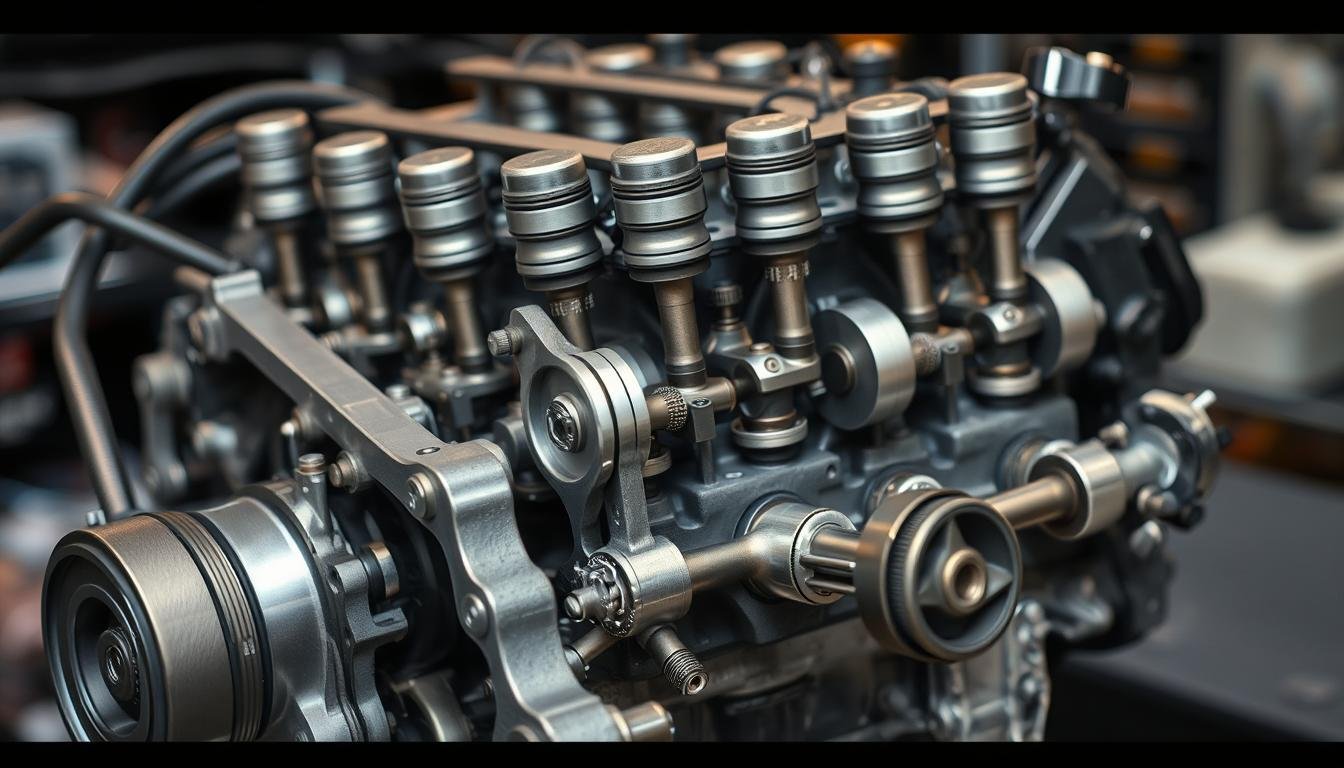
What Is The Common Issues with The 3.6L Chevy Engine Problems? Better 9 Explained
The 3.6L Chevy engine Problems, part of the High Feature family, has been praised since 2004 for its performance.
While it offers great power and efficiency, it also has some common issues. These include timing chain failures, high oil consumption, and overheating.
Spotting these problems early can help save both time and money. In this article, you’ll learn about Chevy engine issues, how to spot them, and ways to prevent them.
We will also share maintenance tips to keep your engine in good shape. Knowing about these problems helps you take action if they happen.
Let’s look at the issues your 3.6L Chevy engine might face and how to keep it running well.
Introduction To The 3.6L Chevy Engine
Since 2004, the GM 3.6L V6 engine has been big in cars, starting with the Cadillac CTS. It’s designed to be light yet strong, with 24 valves and made mostly of aluminum.
This makes the 3.6L engine specifications stand out for being efficient. This engine isn’t just for one kind of car; it fits in everything from Chevrolets to fancy Cadillacs.
It’s smart, using things like multi-port fuel injection to work better and save gas. The 3.6L Chevy engine overview shows how flexible it is for different cars.
People generally like the Chevy V6 engine features, but it’s had some issues due to design and parts. Knowing these can help you keep your engine running smoothly.
Common 3.6L Chevy Engine Concerns
The 3.6L Chevy engine is known for its issues, and it’s important for owners to be aware. Knowing about these can help you fix problems fast.
These issues are due to design flaws and differences in how they’re made. Quick action can stop worse problems and keep your car running longer.
Overview of Known Issues
Major problems with the 3.6L Chevy engine include:
- Timing chain problems
- High oil consumption
- Overheating
- Water pump failures
Owners often report these problems, which shows how important it is to keep an eye out and maintain your car.
The timing chain is especially important because it keeps the engine running right. If it fails, you could have big problems.
Importance of Addressing Problems Early
Fixing issues early with your 3.6L Chevy engine can save you money later. If you wait too long, you might end up with bigger repairs and a less reliable car.
Checking your car often and fixing things when needed makes driving smoother.
Timing Chain Issues in The 3.6L Chevy Engine
The timing chain makes sure engine parts work together smoothly. If it fails, the engine could get seriously damaged. Spotting problems early can avoid big repair bills.
Symptoms and Detection of Timing Chain Problems
Here are signs you might have a timing chain problem:
- Rattling noise from the engine area
- Check engine light activation
- Engine misfires
- Decreased engine performance
To diagnose issues, listen for odd sounds when the engine is on. An OBD-II scanner identifies timing chain errors by showing specific codes.
Getting your car checked as soon as you notice these signs can prevent worse damage.
Preventative Measures and Solutions
Preventing timing chain problems is easier than fixing them. Here’s what to do:
- Get regular engine check-ups
- Change the timing chain when needed
- Use quality oil for better lubrication
Keeping up with maintenance helps avoid timing chain issues. Acting fast on any warning signs can protect your engine and save you money.
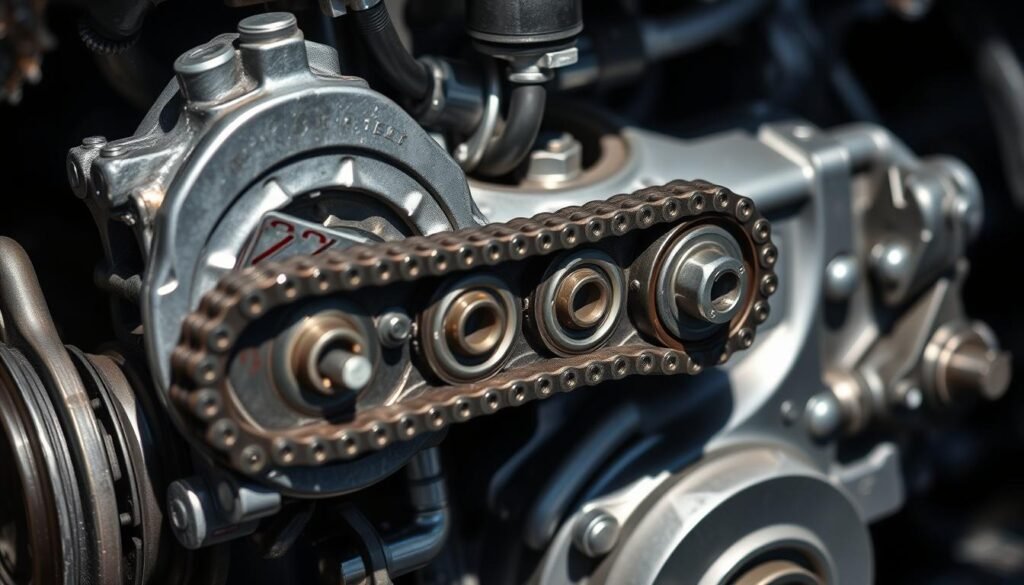
High Oil Consumption in 3.6L Chevy Engines
Excessive oil use in 3.6L Chevy engines may cause big problems. Issues like faulty Positive Crankcase Ventilation (PCV) systems and worn piston rings are key. Catching these issues early helps avoid worse engine harm.
Causes of Excessive Oil Use
Many factors can make a 3.6L Chevy engine use too much oil, hurting how well the engine runs. Knowing these reasons helps fix them fast.
- PCV System Failure: A broken PCV system can let oil into the combustion area, increasing oil use.
- Piston Ring Wear: Old piston rings can’t hold oil well, making it run out faster.
- Internal Oil Leaks: Leaks inside the engine also cause too much oil use, making the engine less efficient.
Tips For Reducing Oil Consumption
Being proactive can lower the high oil use in your 3.6L Chevy engine. Here are some smart tips:
- Regular Maintenance: Change the oil on time and keep the engine working well.
- Monitor Oil Levels: Often check your oil to spot any quick drops early.
- Inspect PCV System: Always check if the PCV system is working right or is clogged.
- Use High-Quality Oil: Pick top-notch oil made for your car to help the engine run better.
Overheating Issues with The 3.6L Chevy Engine
Overheating can seriously harm your 3.6L Chevy engine. It’s key to catch signs early and act to dodge big repairs.
Knowing the common signs of overheating helps you keep your engine cool and out of trouble.
Common Symptoms of Overheating
It’s crucial to know when your engine might be overheating. Look out for these indicators:
- Rising temperature gauge on the dashboard
- Visible steam or smoke coming from the engine
- Coolant warning lights flicking on
- Strange smells from overheated coolant
Maintenance Tips To Prevent Overheating
To keep your engine cool, follow these steps:
- Always check and change coolant to keep it at the right level.
- Make sure the radiator isn’t blocked and has good airflow.
- Check hoses and water pumps for any leaks or damage.
- Clean the engine regularly to avoid overheating from debris.
- Get a coolant flush when it’s time for your service.
Cylinder Misfires: A Frequent Problem
Cylinder misfires can seriously affect your Chevy’s engine, hurting its efficiency and reliability. It’s key to know misfire signs early.
Rough idling, slower acceleration, and a lit check engine light are tell-tale signs. Finding the issue, like bad ignition coils or dirty fuel injectors, is the first step to fixing it.
Identifying and Learning Misfires
Figuring out misfires means looking for certain symptoms and understanding their cause. Here are key signs you might have a misfire:
- Rough idling when the engine is running.
- Decreased power during acceleration.
- Flashing check engine light.
- Increased fuel consumption.
Notice any of these? It’s time to dig deeper and find the root cause. Doing so avoids bigger problems later on.
Solutions For Fixing Cylinder Misfires
To fix misfires, a step-by-step method is best, based on what’s causing them. Here are some actions to consider:
- Inspect and replace faulty ignition coils.
- Clean or replace fuel injectors for better fuel delivery.
- Examine spark plugs for wear and replace as necessary.
- Check wiring and connections to ensure proper electrical flow.
- Diagnose engine compression to identify internal issues.
By taking these steps, you’ll get your engine back in top shape and enjoy smoother rides.

| Symptom | Possible Cause | Recommended Action |
|---|---|---|
| Rough idling | Faulty ignition coils | Inspect and replace if defective |
| Reduced power during acceleration | Clogged fuel injectors | Clean or replace injectors |
| Flashing check engine light | Electrical connection issues | Assess and repair wiring |
| Increased fuel consumption | Worn spark plugs | Replace spark plugs |
Water Pump Failures in The 3.6L Engine
Water pump issues can seriously harm your 3.6L Chevy engine, leading to overheating. It’s one of the biggest risks for your vehicle.
Thus, knowing the typical signs of water pump failure is crucial for your engine’s health.
If you notice coolant leaking near the water pump or hear odd noises from the engine, there might be a problem.
These signs mean you should check your car right away. If you ignore them, the engine could get severely damaged or even fail completely.
Experts recommend checking your water pump around 80,000 miles or during regular car maintenance.
This helps you spot problems early. It keeps your engine in good shape and avoids major Chevy engine issues caused by not checking this key part.
| Symptoms | Description |
|---|---|
| Coolant Leaks | Visible coolant pooling around the water pump area suggests a failure. |
| Unusual Noises | Grinding or whining noises can indicate wear and tear on the pump. |
| Overheating Engine | A failed water pump often leads to elevated engine temperatures. |
| Steam from Engine | Steam might be visible if the engine reaches critical temperatures due to water pump failure. |
Leaks and Seals: Timing Chain Cover Concerns
If your car has a 3.6L Chevy engine, it’s key to know about the timing chain cover. Leaks here can hurt your engine’s performance and be expensive to fix.
Spotting leaks early helps save both time and money, keeping your engine running well.
Recognizing Leak Symptoms
Spotting oil leaks early in your car is important. Watch for these signs of timing chain cover leaks:
- Visible oil spots underneath your vehicle, which may indicate leakage.
- Low oil levels, which can occur rapidly if a leak exists.
- Oil residue along the timing chain cover area, suggesting a slow leak.
- Engine performance issues, such as unusual noises or decreased efficiency.
Catching these signs quickly is crucial to prevent more engine harm. Regularly checking can keep your engine in top shape and prevent surprises.
3.6L Chevy Engine Problems Explained
The 3.6L engine has been through several Chevy engine recalls over the years. These were mainly due to design flaws that can impact how well it works and its safety.
It’s crucial for car owners to know about these recalls. This ensures they’re not driving a car with unresolved 3.6L engine safety problems.
A Detailed Look at Engine Recalls
Important recalls have dealt with timing chain wear and issues with the water pump.
These can cause big engine problems, affecting how the car performs and its safety. Owners need to check if their engine model is one of those recalled.
Impact of Engine Design on Common Issues
The way the 3.6L engine is designed leads to common problems for owners. Issues like using too much oil and the engine getting too hot often come from the engine’s design.
Knowing about these design issues is important for regular maintenance and solving safety problems quickly.
Regular Maintenance and Best Practices
Regular maintenance is key to keeping your 3.6L Chevy engine running well for a long time. Setting up a maintenance schedule helps catch problems early.
This can save you money on costly repairs and make your engine last longer. Not keeping up with maintenance may cause your Chevy to run poorly and cost more to fix.
Importance of Following A Maintenance Schedule
Having a set engine maintenance schedule brings many benefits. It makes sure everything works well and efficiently.
Here are some top reasons for sticking to a schedule:
- Early detection of potential issues
- Improved fuel efficiency
- Enhanced engine performance
- Cost-effective repairs over time
Recommended Maintenance Tasks
Below, you’ll see important maintenance tasks for your 3.6L Chevy engine and when to do them. These steps are crucial to keep your engine performing at its best.
| Maintenance Task | Recommended Interval |
|---|---|
| Oil Change | Every 5,000-7,500 miles |
| Air Filter Replacement | Every 15,000-30,000 miles |
| Coolant Flush | Every 30,000 miles |
| Brake Inspection | Every 10,000 miles or as needed |
| Tire Rotation | Every 5,000-7,500 miles |
Following these maintenance tips will keep your Chevrolet in top shape. It ensures your car is safe and runs well.
Conclusion
The GM 3.6L V6 engine is well-known for its powerful performance. But, it’s crucial to fix its main issues.
Knowing about common problems like timing chain failures and oil consumption helps. This knowledge lets you keep your vehicle in top shape.
Oil leaks, overheating, and water pump failures are also issues to watch for. Catching and fixing these problems early is key. It means your engine can run smoothly for longer.
Keeping your Chevy engine in good shape means regular checks and maintenance. Follow a proper care routine and stay alert to odd symptoms.
This will help your engine last longer and avoid big problems. It leads to a better driving experience. Knowing about these 3.6L engine problems helps you take good care of your car.
With smart maintenance choices, you can keep your engine running well. This way, you can enjoy your vehicle’s strong performance for years.
FAQs
Q: What are the most common 3.6L Chevy engine problems?
A: The usual issues are with the timing chain, using too much oil, getting too hot, and water pump breaking. Spotting these early can save your engine.
Q: How can I detect timing chain issues in my 3.6L Chevy engine?
A: If you hear a rattling, see the check engine light, have misfires, or your car performs poorly, it could be the timing chain. Don’t wait to check these signs.
Q: What causes excessive oil consumption in the 3.6L Chevy engine?
A: Issues usually arise from the PCV system or worn piston rings. This lets oil mix into the engine’s combustion space. Keeping an eye on oil levels is wise.
Q: What are the signs of overheating in a 3.6L Chevy engine?
A: Look out for a high temperature reading, steam, the engine making smoke, warnings for coolant, and a strange smell. These are signs your engine is too hot.
Q: How can cylinder misfires affect my engine’s performance?
A: Misfires make your engine run unevenly, cut down your power, and cause the check engine light to blink. Finding out why is key to fixing it.
Q: What should I look for to diagnose water pump failures?
A: For water pump issues, check for leaks or if you hear grinding or whining sounds. Regular checks prevent your engine from getting too hot.
Q: How often should I perform maintenance on my 3.6L Chevy engine?
A: Keep up with checks every 5,000 to 7,500 miles. Your driving habits and oil choice tell you how often. This practice helps catch problems early.
Q: Are there any recalls associated with the 3.6L Chevy engine?
A: Yes, there have been recalls for issues like timing chain and water pump. Visit the NHTSA website or ask your dealer if your engine is included.


